Thursday, 28 March 2019

7 Surefire Ways to Capture Email Leads in 2019 [+ Tools]

No matter what industry you’re in, email list building is still an important and high impact marketing activity.

Though you may see the occasional article proclaiming “email marketing is dead,” you can safely continue your campaigns, and know that “the money is in the list” (as they say).

Now, there are many ways to build an email list - tactics and tools beyond simple sidebar lead magnets and popup forms.

This article will cover 7 ways to capture email leads, and we’ll also outline 7 lead capture tools to help you do it.

1. Ask, “what’s in it for me?”

While every company in every industry may have a different tactical implementation to capture email leads, at the core of every strategy is this formula:

The value of your offer -- the cost of giving you their email address = the probability of conversion

In other words, you need to make sure your offer is worth giving up in exchange for an email address (and for whatever information you’re asking). “What’s in it for me,” is such an underrated question in marketing.

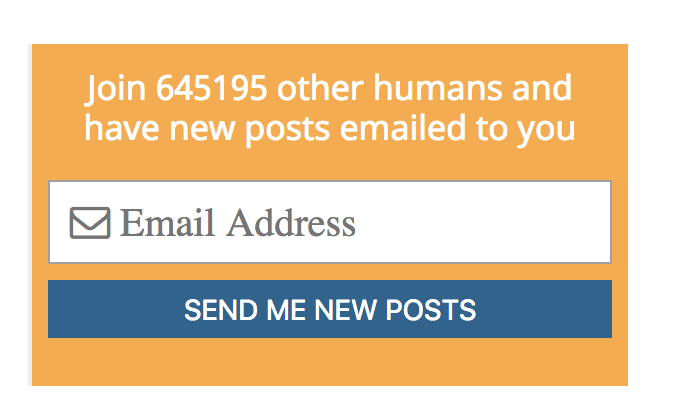
In some cases, the value exchange is extremely straightforward. Take, for example, WaitButWhy. The blog’s author, Tim Urban, writes an incredibly comprehensive and interesting article (more like a book) every few months. The posts are amazing. The quality is unquestionable. So it’s enough of a benefit to simply be notified when these works of art are published:
However, most business blogs can’t compete on that standard (it’s wildly time consuming and expensive to produce content like that).

Therefore, most of us rely on “lead magnets” - exchanges of value for information. These are things like ebooks, free email courses, webinars, etc. Essentially, it’s a piece of premium content you can use to entice someone to sign up for your list.

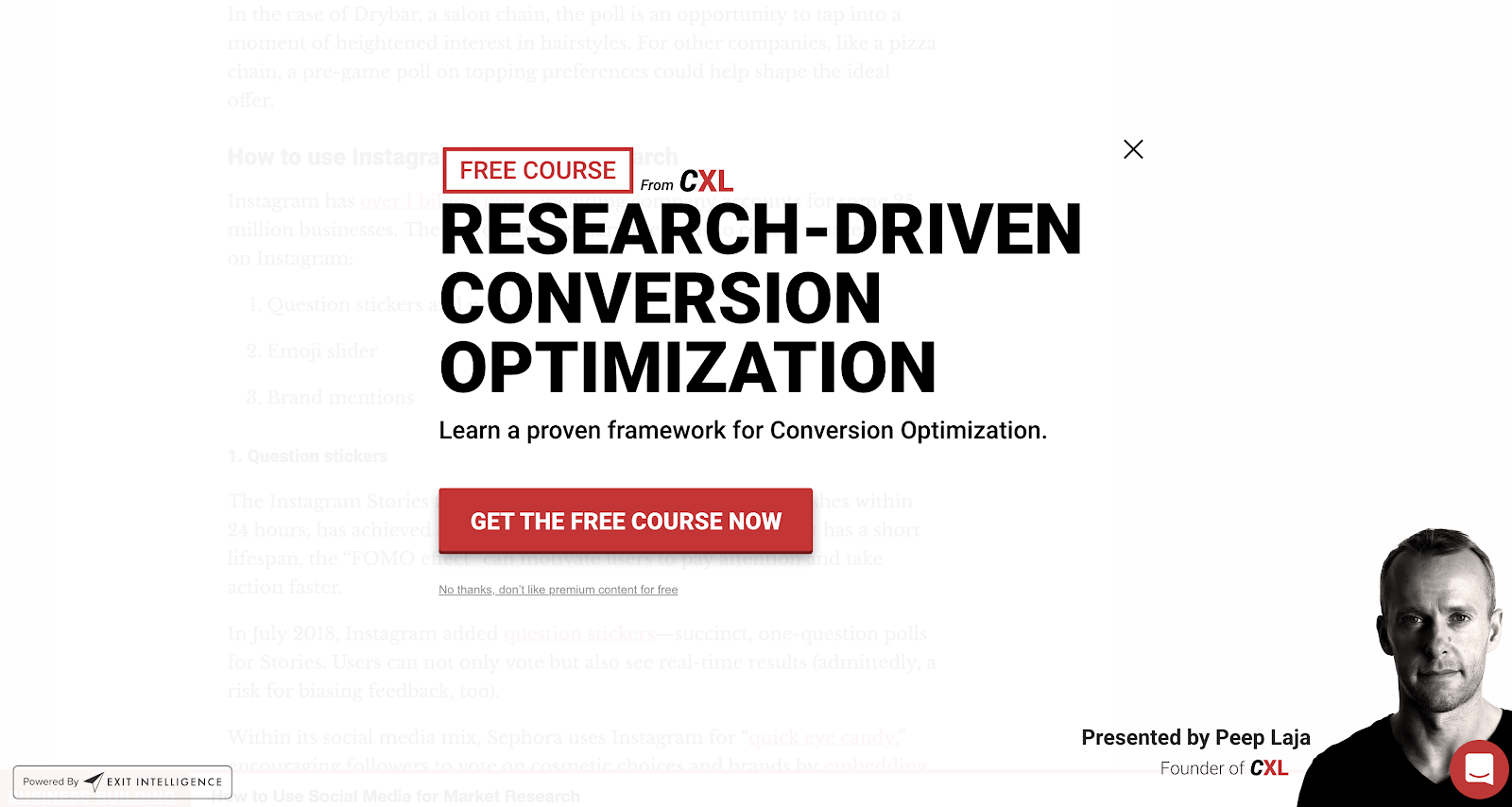
Here’s a good example of a lead magnet from ConversionXL:
 

Or here’s an ecommerce-focused example from J Crew:
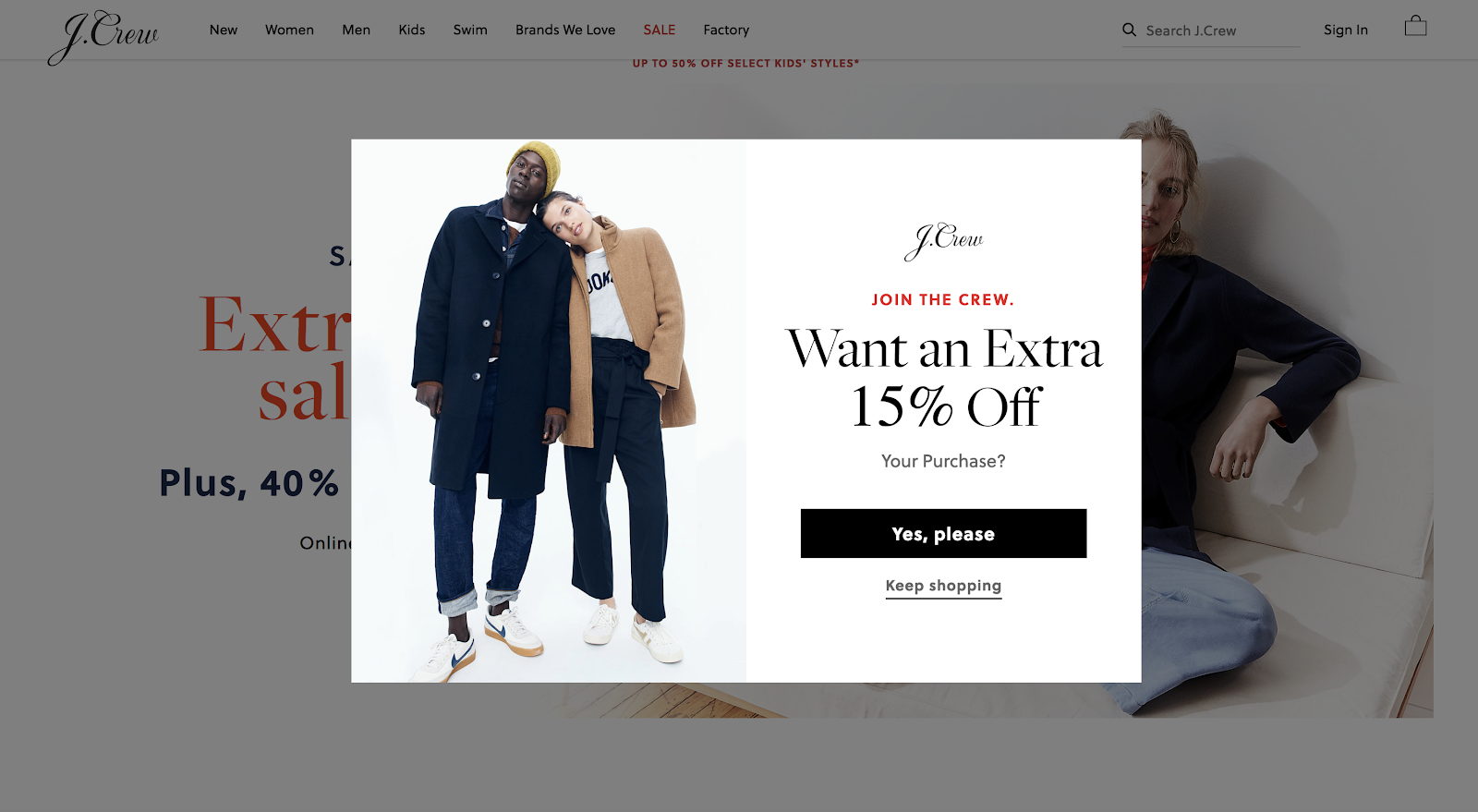
Both of these examples are great for their appropriate contexts. You can imagine the clear value given by offering a discount on a visitor’s first purchase in the case of J Crew, and with ConversionXL, that offer appeared on a blog post about conversion rate optimization. The value alignment is obvious.

2. Target the right segments of your audience

When first starting out, it’s probably okay to have one universal lead magnet or email subscription form for all of your visitors. This is particularly true if your traffic numbers are small and your visitors are relatively homogenous.

However, when you scale your content program and have many different articles with varying levels of intent and context, it becomes imperative to think about who you’re targeting.

For instance, our J Crew example above targets first time visitors, which makes a lot more sense than giving a 15% discount to a repeat buyer who was going to buy anyway.

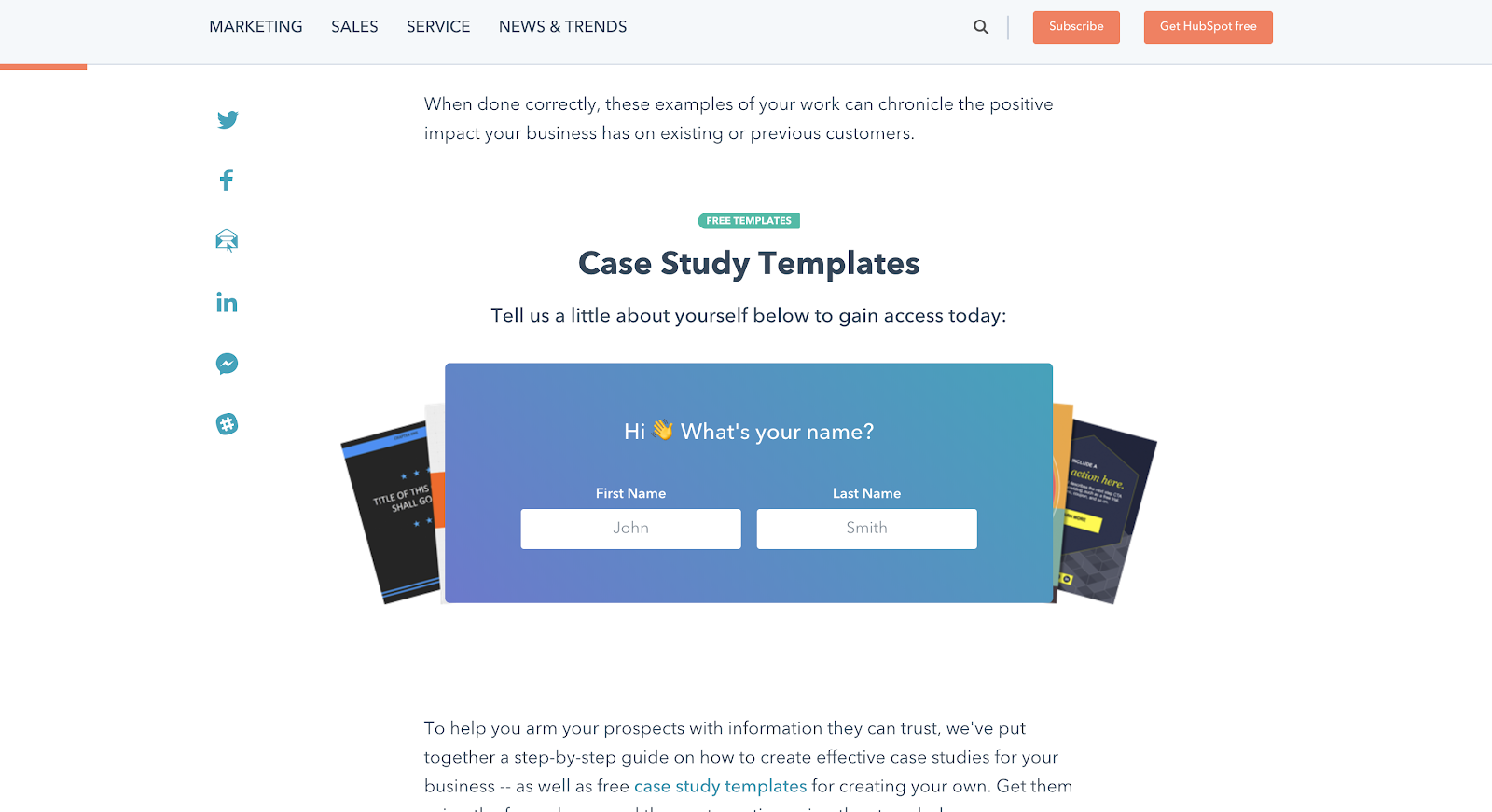
Even simple, you can target visitors by which blog post they’re reading. If someone is reading a post on, say, writing case studies, a good offer might be “case study templates”:
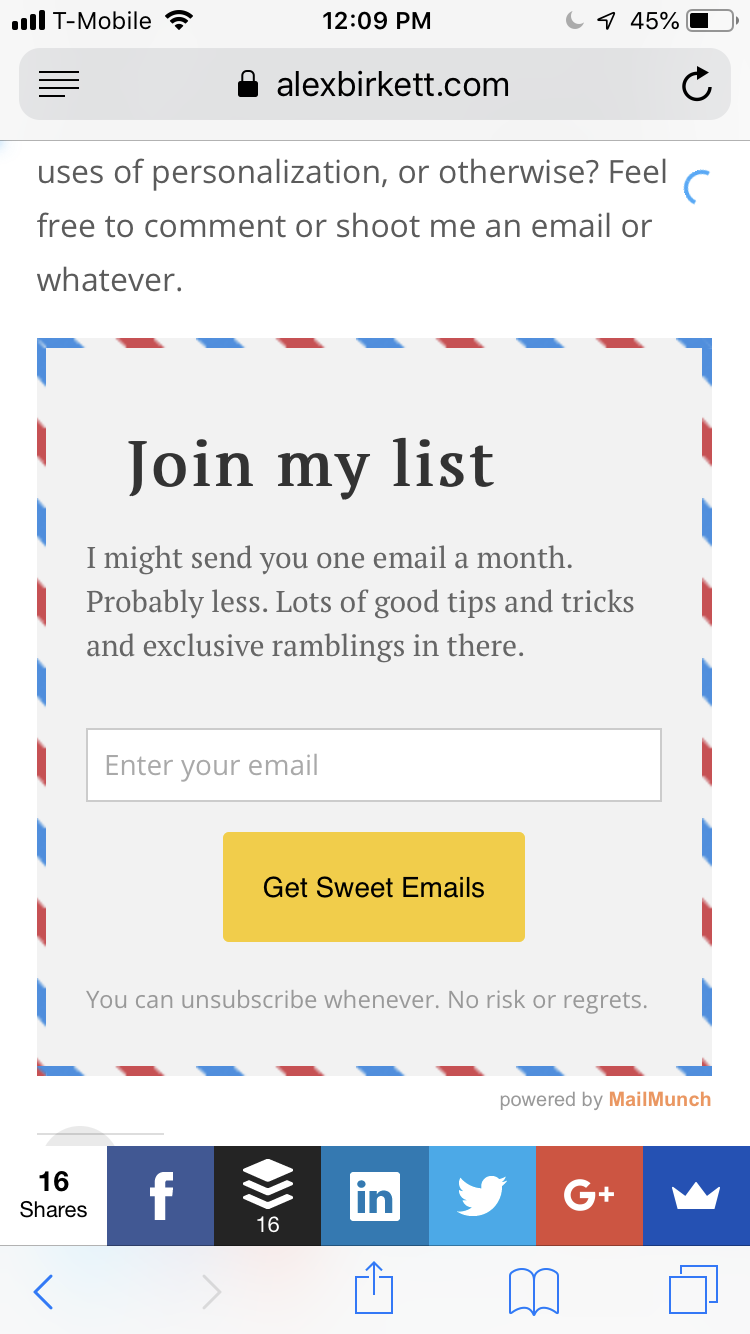
You should also consider the device someone is using. One of the biggest mistakes with lead capture is using the exact same tactics and design for mobile that you’re using for desktop. The context and user experience is just completely different, so it makes sense to test different thing on different devices.
The point of this section isn’t to give you any specific, tactical suggestions for whom to target. It’s only to advise you to think about which portion of your audience sees which CTA. As a company and their content production capacity grows, it’s less and less effective to have a one-size-fits all approach.

3. Target your audience at the correct time

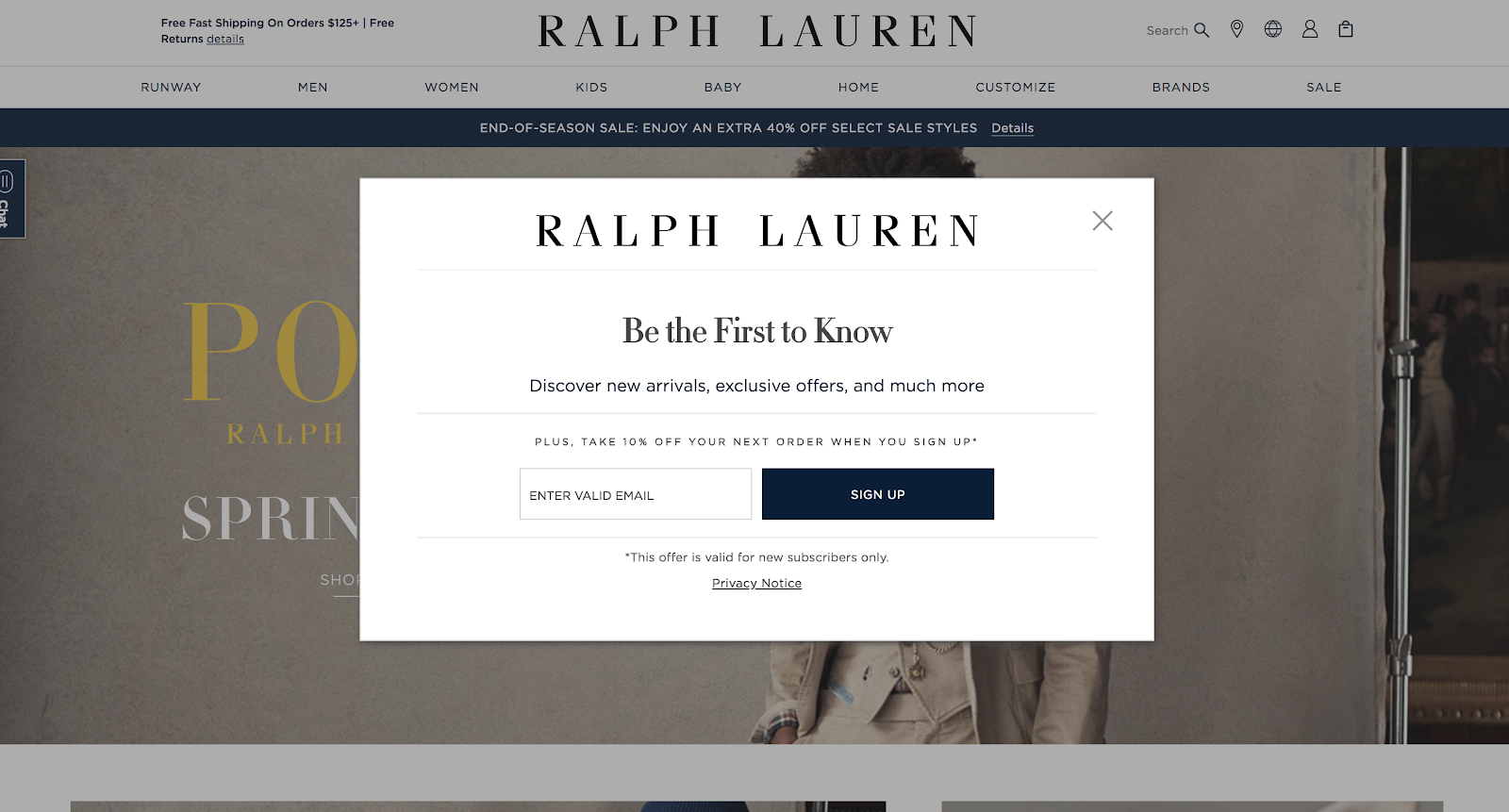
Who you target is very important, but when you target your audience is also important. For instance, with our J Crew first time visitors example, it certainly makes sense to deliver the discount as soon as possible (on arrival).

This person is probably comparison shopping, so you’re fighting for attention and want to hook them quickly. This is the case with many ecommerce lead capture messages, such as Ralph Lauren:
If you’re capturing emails on a blog post, however, you don’t want to interrupt the user experience before the reader even gets past the first paragraph.

That’s a good way to skyrocket your bounce rate. It’s also a common mistake I see with marketers who use “welcome mat” popups - those giant interstitials that completely take over your screen. Not a good way to entice a reader to continue with your content.

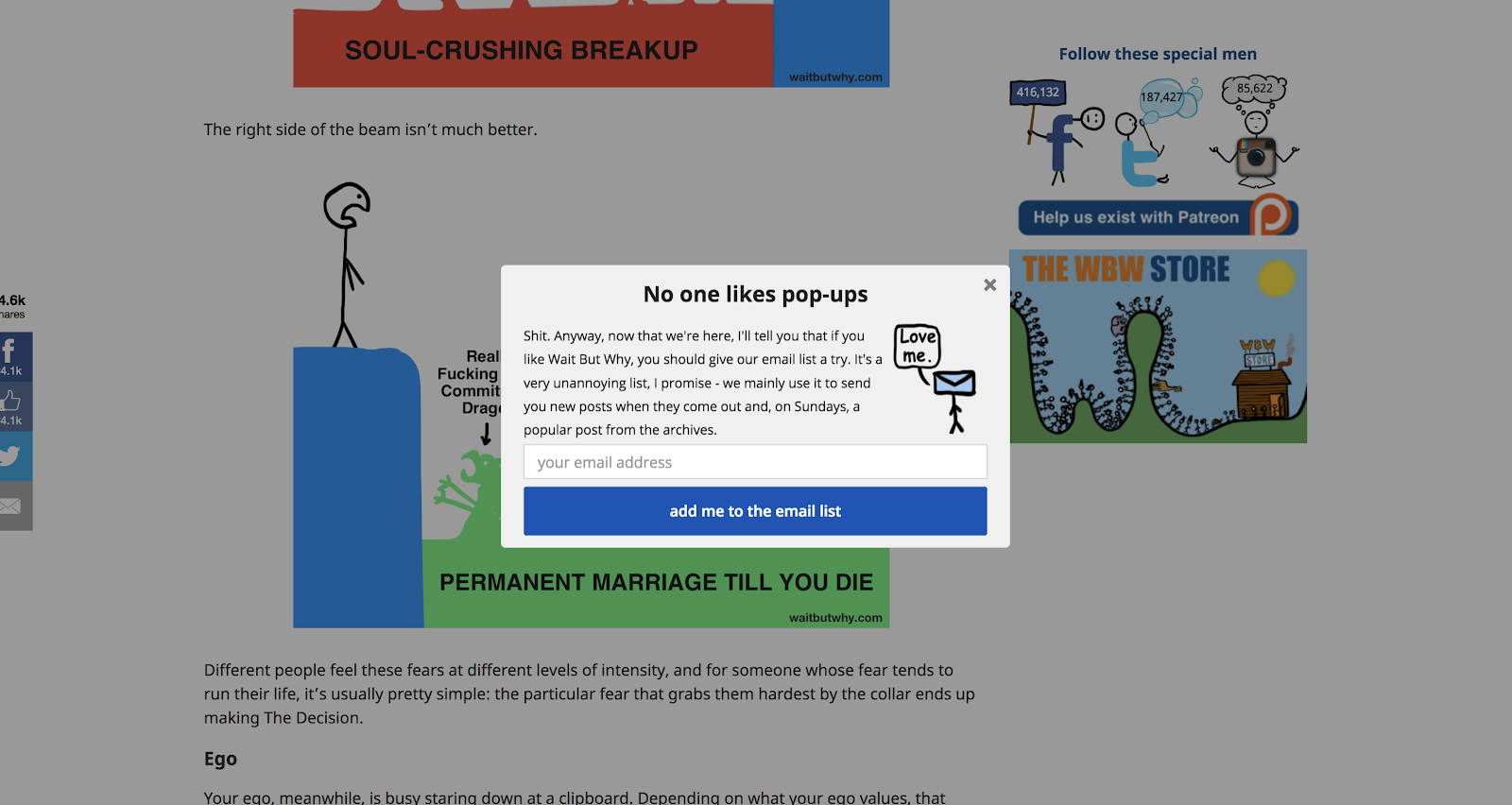
A better trigger for those pieces may be either a scroll-triggered popup or an exit intent popup. These are behaviorally triggered. The former shows up when someone scrolls past a certain point in the article, and the latter shows up when someone motions their mouse towards the corner of the screen, as if they were going to exit the window.

These are the types of popups I use on my own site, and we use them at HubSpot too. Here’s a great example of an exit intent popup from WaitButWhy (the copywriting is also great):
You can get creative with your time-based or behavior-based targeting as well. Does a behavioral event on your website imply intent or high interest in an offer? That’s a great time to trigger a CTA. An example is with templates. If you see someone is copying and pasting your templates, you can trigger a message that they’re also all available for download.

At a simpler level, you can leave a text link in your copy and use that as a signal of intent for trigger a form:
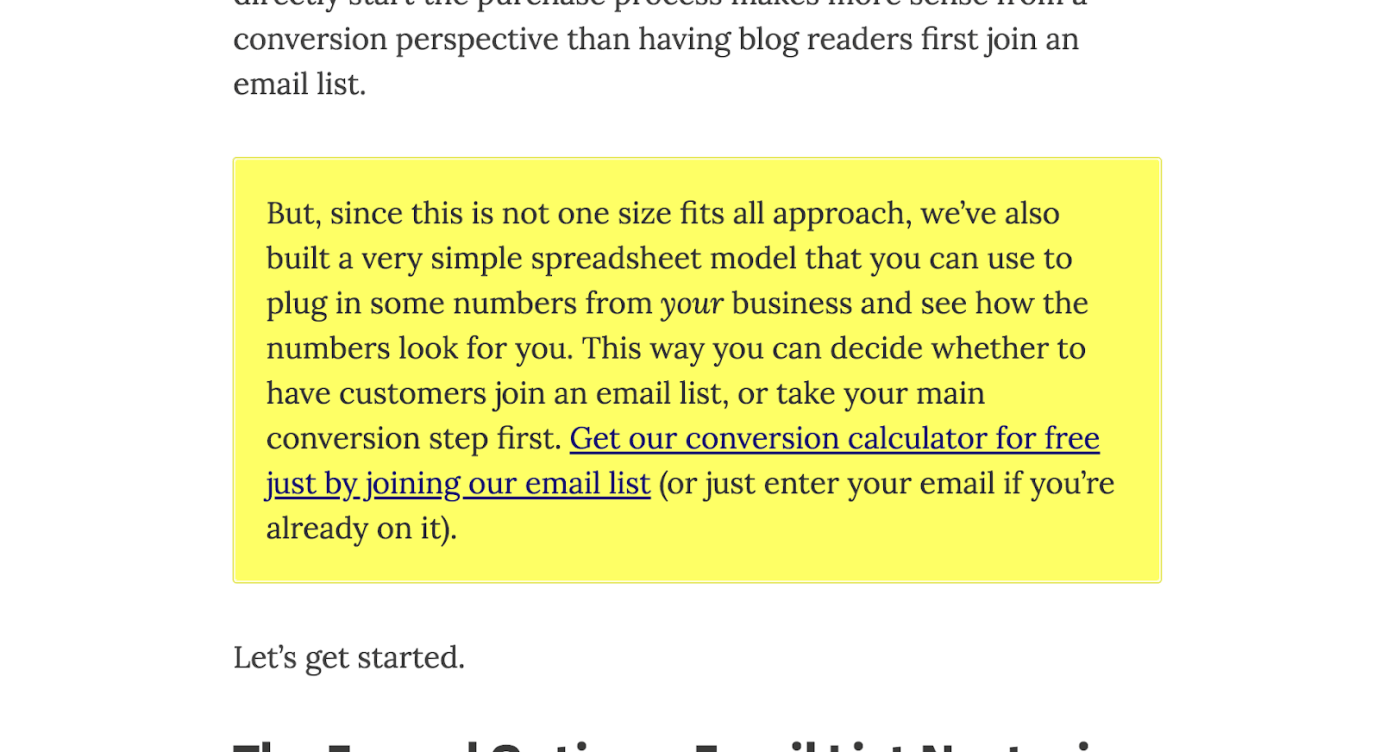
Image Source

4. Build a proper lead magnet (or several)

We’ve already discussed the need to answer the question, “what’s in it for me,” and to create some sort of value exchange. But let’s dive deeper into the idea of a “lead magnet,” since it’s usually crucial to get this write (especially for B2B cases).

Stepping back, what’s a lead magnet anyway? A lead magnet is the free offer you deliver in exchange for a visitor’s information. This could be many things, but it usually looks like a long-form piece of content - an ebook, a webinar, a gated email course, a free tool, etc.

Here are several different lead magnet ideas and formats:

The ebook

The ebook is probably the most common form of a lead magnet, perhaps because it’s relatively easy to repurpose multiple blog posts into a giant ebook and get someone on Upwork to design it. Depending on the execution, though, they can be incredibly effective.

I find ebooks to be best suited for a few cases:

  • The topic is complex and requires a lot of education
  • The buyer is inquisitive and loves doing their own research into the topic
  • It’s a sufficiently text-driven topic to form an engaging ebook

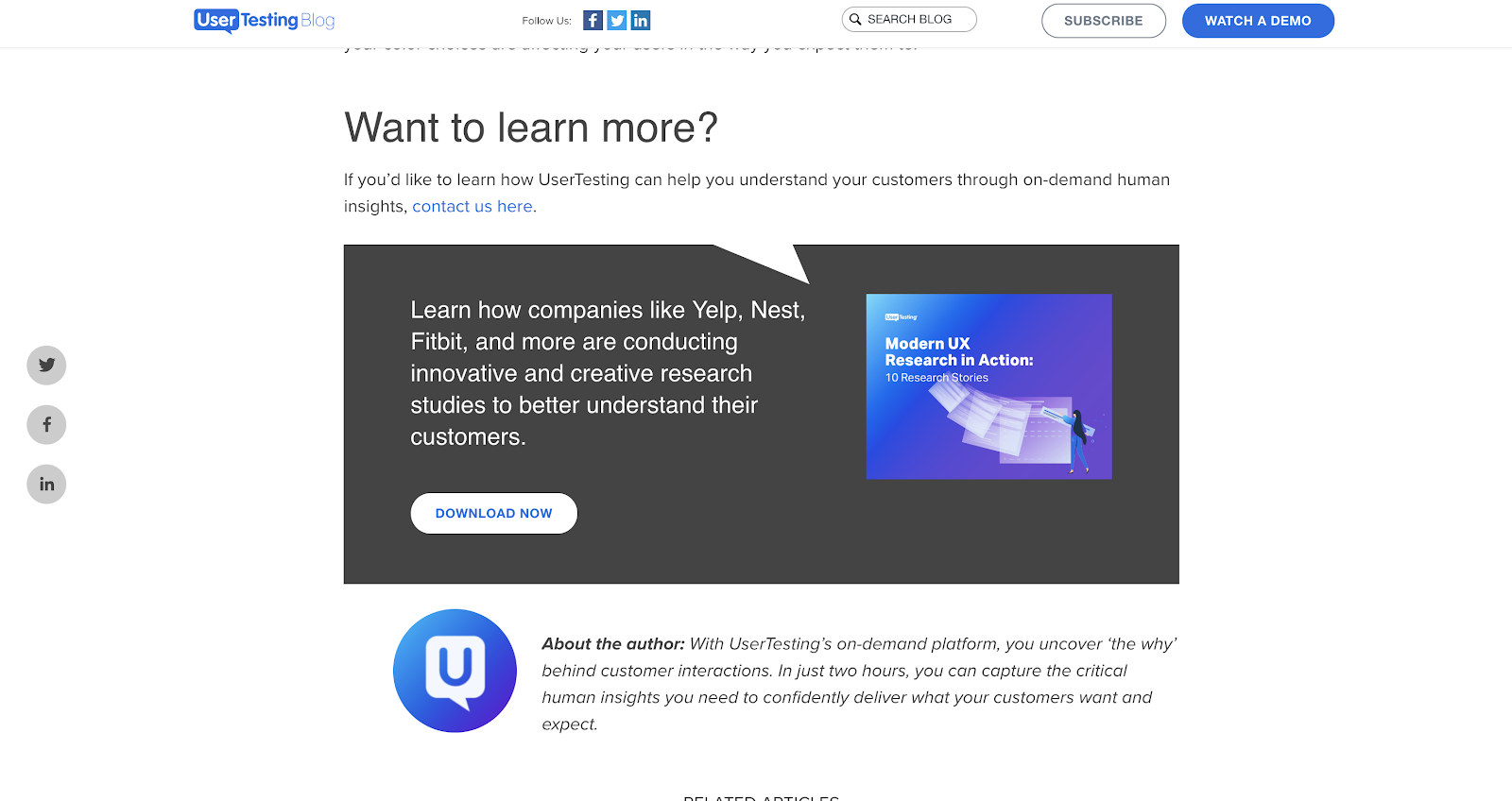
Topics like conversion rate optimization, user experience, or search engine optimization all make great ebooks because they fit the above criteria. Take, for example, this ebook from UserTesting on how to do proper user research:
The webinar

Webinars are probably the second most common lead magnet I see in the wild. They’re largely used by B2B businesses, and it’s especially a popular marketing tactic for SaaS companies.

Webinars tends to work well in a few environments:

  • The topic is technical or needs to get quite granular
  • You or your guest is charismatic on camera or well-known
  • Your webinar topics can still be useful for those not using your product

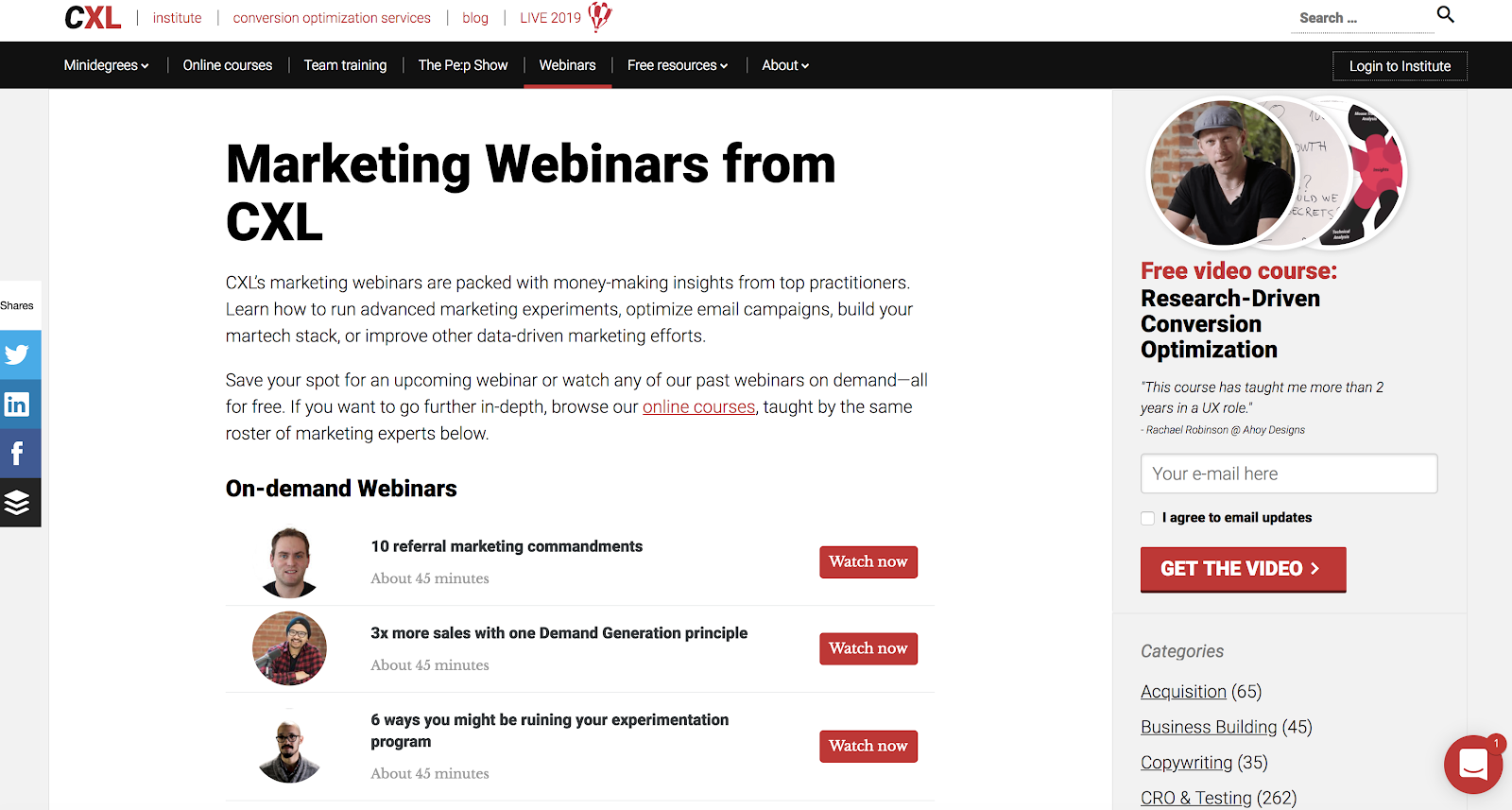
For example, Unbounce reported wonderful results from their webinars (35% increase in free trial signups). At CXL Institute, we hosted webinars with our course instructors (well-known and super experts in their fields), and regularly got thousands of signups (as well as many directly attributable conversions).
 

In my opinion, webinars are one of the highest potential lead magnets, but they’re usually the worst executed in reality. If you can get people to sign up for a webinar, that’s just the tip of the iceberg. The webinar needs to be entertaining as well as useful, which I can’t say about most webinars I’ve attended.

If you can do this and do this well (and at scale), you’ll surely be able to build an inbound lead generation machine with it.

The email course

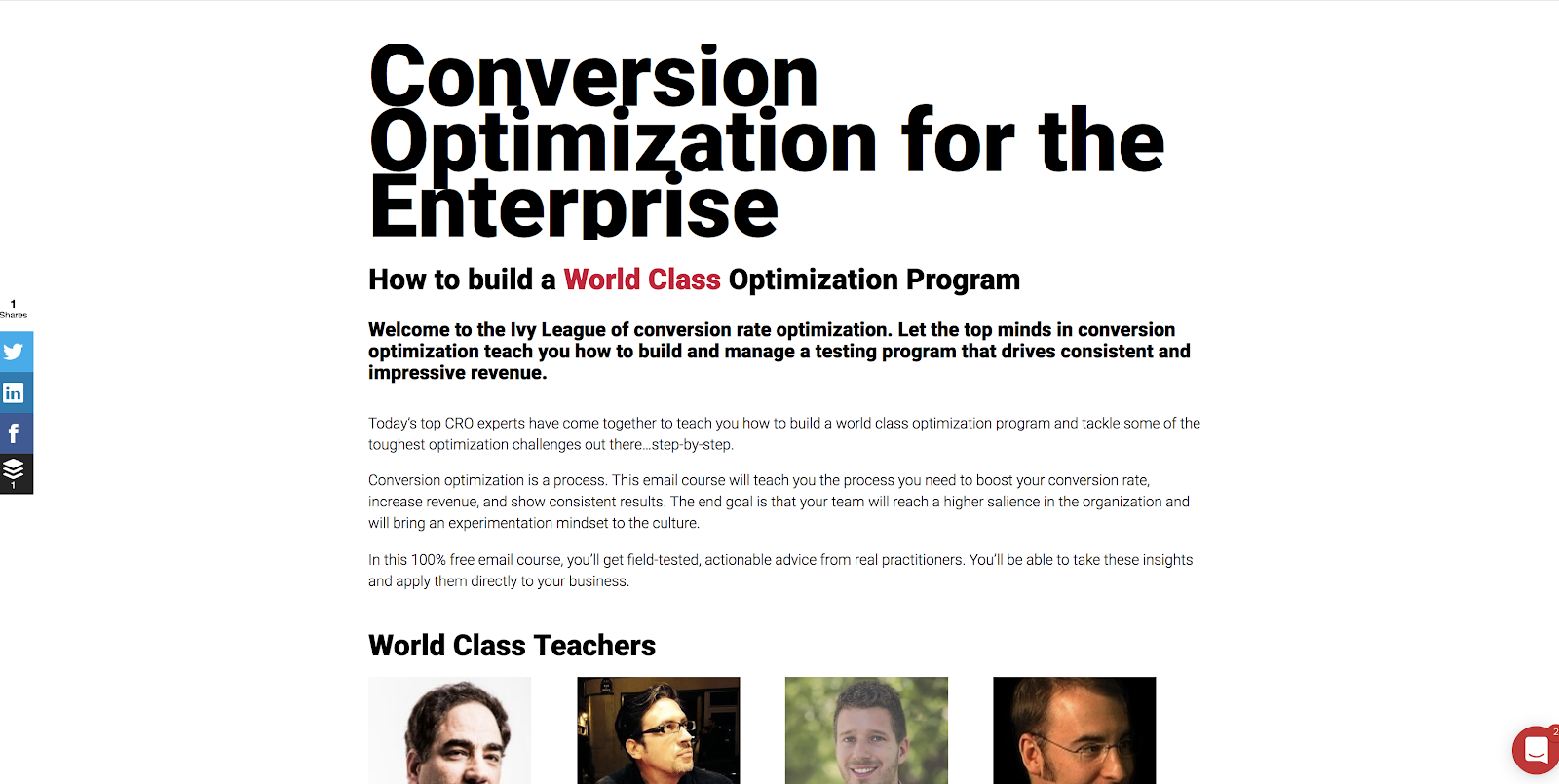
The email course is one of my favorite underutilized tactics. It’s essentially an ebook, but split into chapters and delivered via email. The best part is that you can normally get experts to write individual chapters, which not only distributes the effort required to produce the content, but if you choose your experts correctly, it also adds to the value for the subscriber.

This is another lead magnet we used at CXL Institute:
 

Invision also runs campaigns of this type:

 

In these lead magnets, your setup is the same: you’re promising informational value in exchange for an email address. The difference here is that you’re using email to deliver the core value, which perhaps leads to an increase in open rates and engagement with the actual email marketing.

It’s easy to set up on your side, as well. You just build an autoresponder for those enrolled in your email course. Simple, and in the long run, quite automated.

The free tool

Free tools are also underrated, though tougher to create. Obviously, it requires resources to engineer a tool. However, if done right, it can really break through the noise. The best of example of this, of course, is HubSpot’s Website Grader:

The template/resource bundle

If the topic is the bait, then the lead magnet is the hook. If your topic interests someone, helping them accomplish what you talk about in the article can be a tremendously powerful hook.

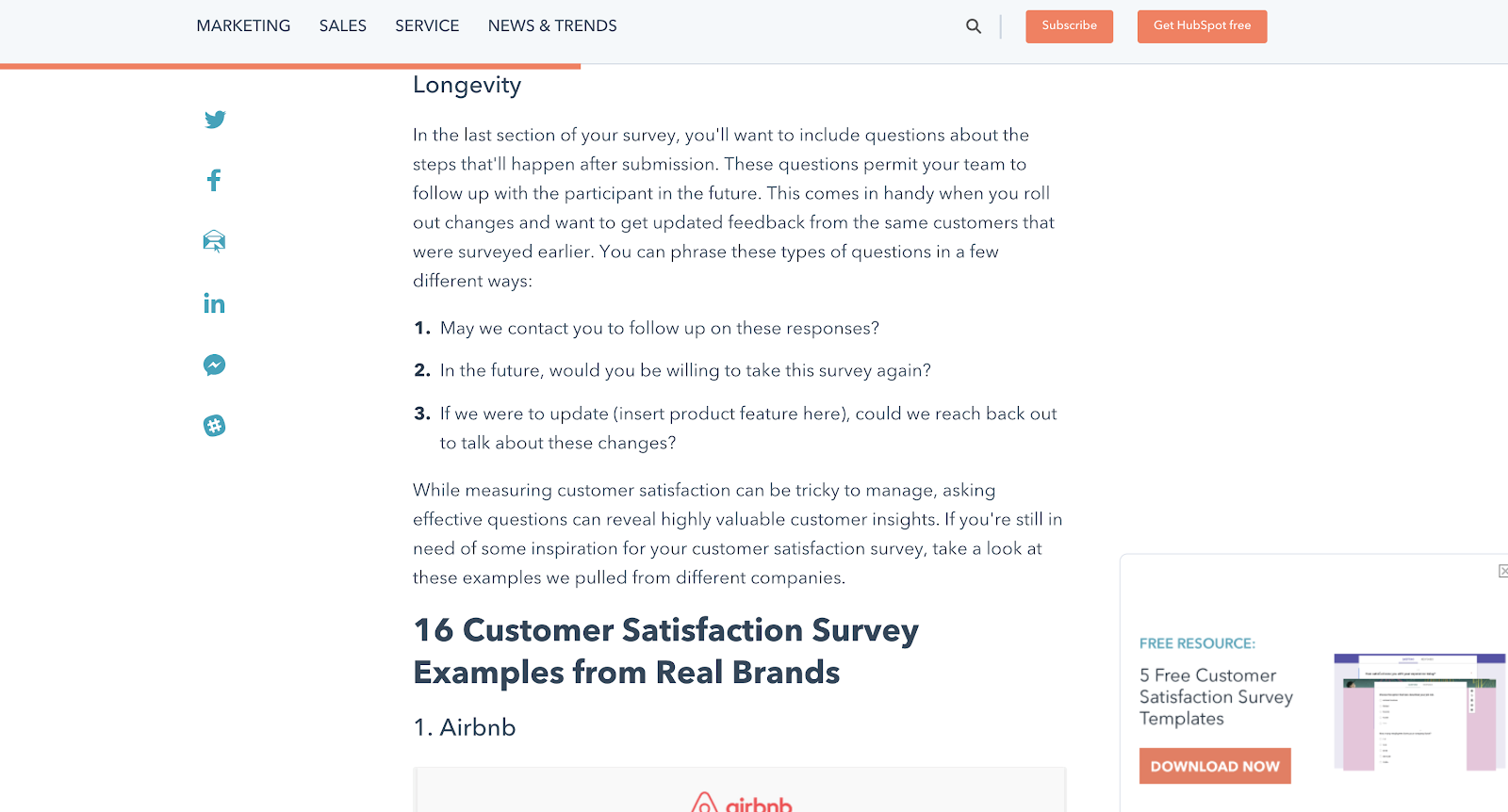
Normally, this is done with additional resources, templates, or tools designed to help the visitor implement whatever it is you’re talking about. A clear-cut example of this is with our feedback survey templates on posts related to feedback surveys:
The checklist

Similar to this is to offer a checklist. This is most appropriate for topics that are technically complex or at least require a lot of time and organization to accomplish.

Something like A/B testing is the perfect topic to offer a checklist. That’s what I do in a post I wrote on A/B testing guidelines:
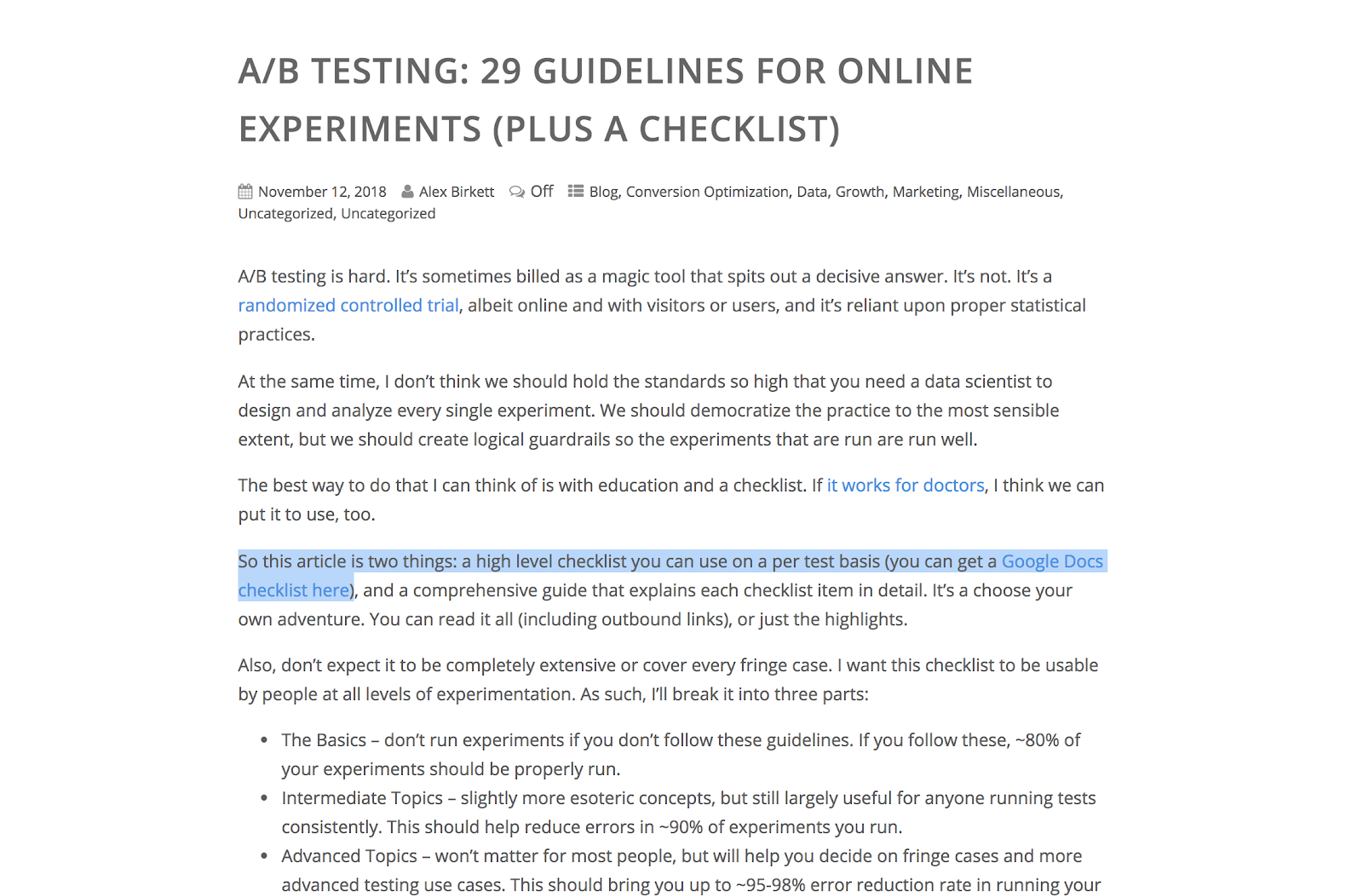
There are many more formats of lead magnets, but the above are some of my favorite types.

5. Reduce friction where possible

This is a good rule of thumb for all of marketing (nay, all of business): reduce friction.

Basically, if a visitors wants to sign up for your list, make it as easy as possible for them to do that. This is part of the premise behind the flywheel, but it makes a lot of sense when designing and optimizing web forms.

When designing forms, ask yourself questions such as:

  • Do I need this piece of information I’m asking for? If so, can I ask for it later (a la progressive profiling) or enrich our data somehow?
  • What form fields are causing the highest drop-off?
  • Can we run some user tests to see where people are struggling with our forms?
  • Do we have any basic usability or accessibility problems with our forms?
  • Do our forms work on all browsers and devices?

You’d be surprised how much low hanging fruit you can find with a quick CRO audit on your forms.

6. Match the intent of a blog post with the correct offer

I’ve insinuating this above when talking about who you’re targeting, but a quick win for lead capture is to align the messaging on your lead magnet offer with the blog post it appears on.

You’d be surprised how often I see drastic mismatches. If your blog post is about “top marketing books of 2019,” it may not be prudent to offer an ebook on “The Ultimate Guide to Digital Analytics.” There’s a mismatch there. Some visitors may still convert, but it’s certainly not fully optimized.

Here’s a trick I like to use to align messaging properly. Go into Ahrefs and plug your blog post URL in the site explorer feature. Look at all the keywords it ranks for:

Your goal here is to understand broadly what your post ranks for, but also to try to find some “voice of customer” insights to steal for copywriting. For instance, this keyword “what to do in Austin this weekend,” might actually make a really good headline for an ebook or checklist I could offer.

7. Choose the best lead capture tools for the job

Finally, realize that you’re not stuck to only using web forms. You can use popups, surveys, live chat, and many more tools to capture leads.

Also realize that there’s no one tool that’s best for the job. We’ve seen all different kinds of successful approaches using different types of tools, different lead magnets, and different strategies in general. It’s only appropriate to choose the right tool for the job you want to accomplish, which is what the rest of this article is about.

1. Web Forms

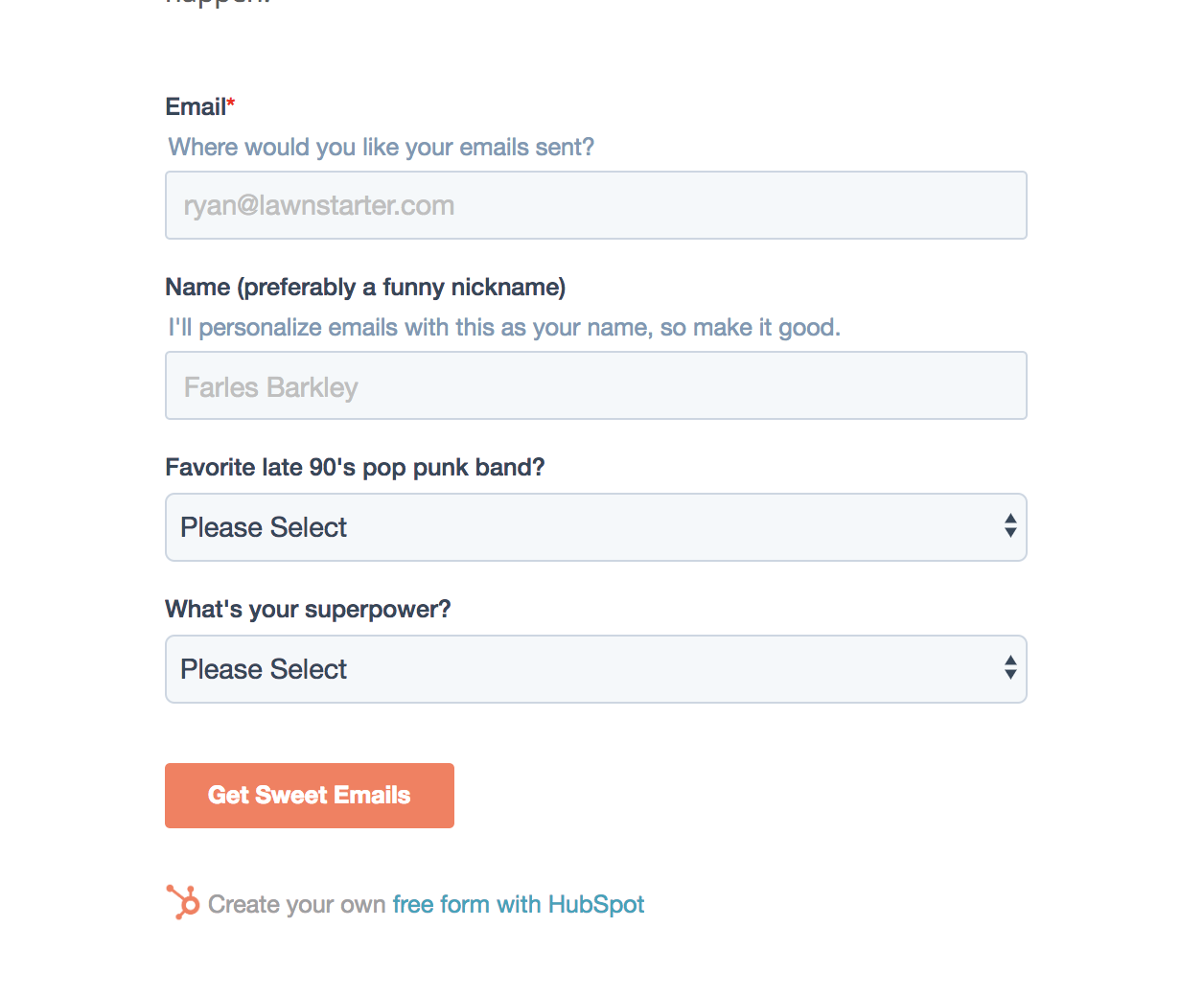
Web forms are still the gold standard of online lead capture. They’ve also come a long way since their early roots on the internet. Now we can easily design custom forms that can directly connect your CRM or email tool of choice using free tools like HubSpot Forms:
2. Popup Forms

Popups, once annoying an ill-designed, are now common and, when done correctly, are wildly effective and not at all a user experience hindrance.

When you can properly time and target the right audience at the right time, you can win at this method. At the very least, an exit intent form helps capture some would-be bouncers from your site. HubSpot Popup Forms is free and easy to set up for this.

3. Surveys and Quizzes

Surveys are, in my opinion, way underutilized. They’re engaging and entertaining, but in reality, you can collect the same visitor information with far less friction than traditional forms.

A great tool for this is Survey Anyplace. Here’s a great example from a customer of theirs who created a survey to engage attendees of a cycling event (using an iPad survey):
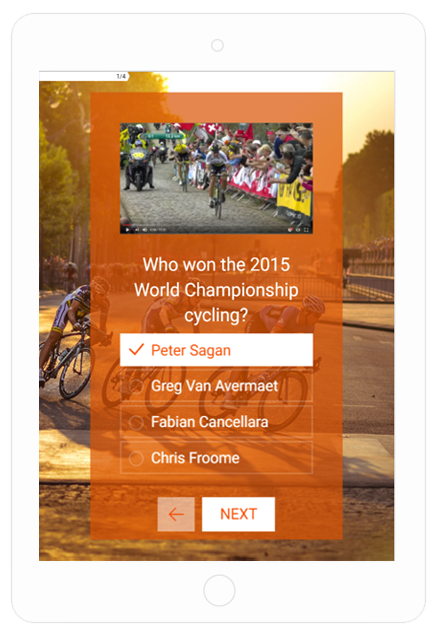
Image Source

They put in their email and contact information to be entered into a contest at the end.

4. Live Chat

Live chat, sometimes viewed in the context of customer support and sometimes for sales, can also be used as a marketing tool.

Especially when you’re correctly targeting visitors, you can use live chat to engage heavy readers or people who have been to your site several times. CXL does this with visitors who come back frequently:

Though live chat is a less consistent way of collecting leads (it may be better at simply answering questions), you will find a few opportunities to engage visitors and collect their info.

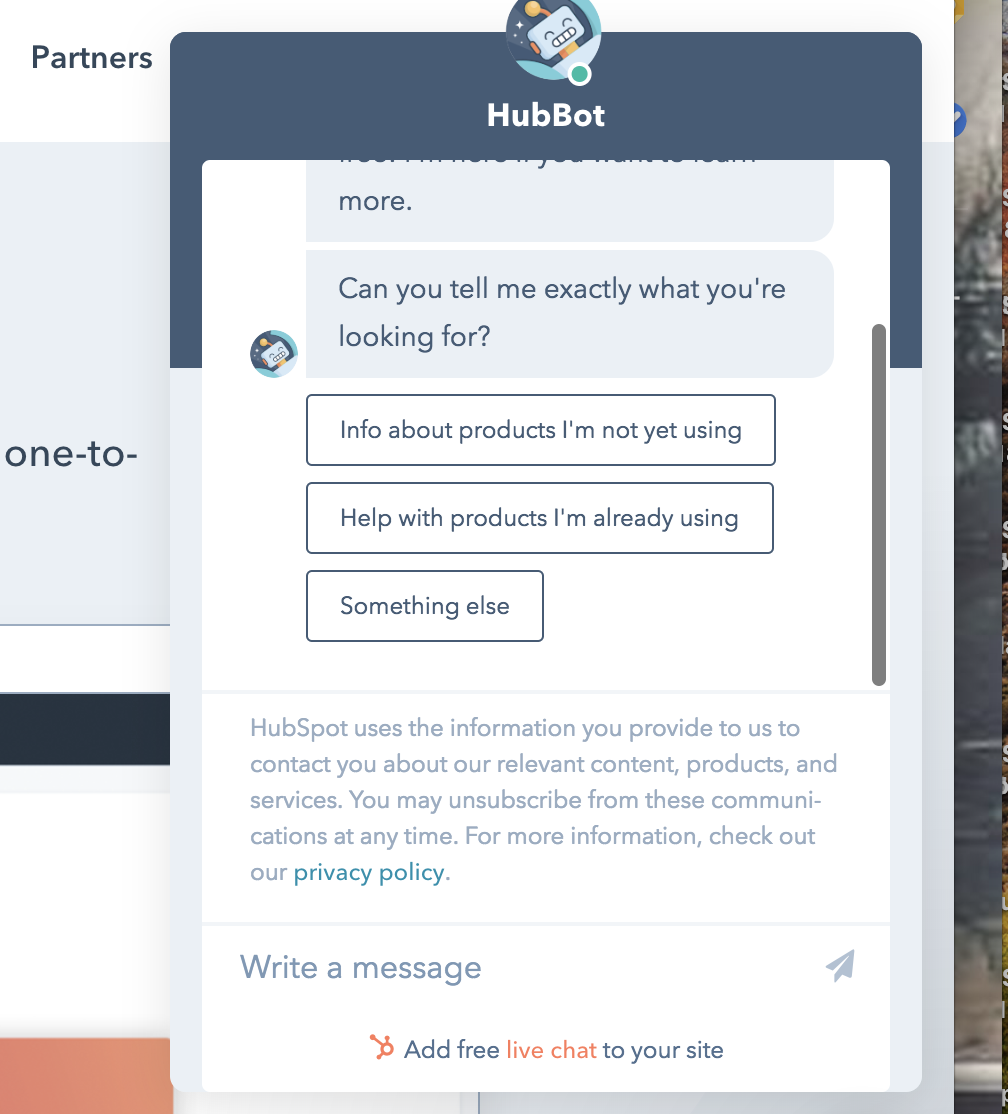
5. Chatbots

Chatbots are probably a better way to collect lead information. The fact that they’re automated saves you a lot of support rep time (opposed to running a live chat all the time), and you can often do better targeting and filtering as long as you design your bot the right way.

Chatbots are a technique that, in my opinion, is still in its infancy. Too many companies are still designing terrible bots and angering potential customers in the process.

With the right touch, however, I’ve seen chatbots skyrocket lead conversion rates.
6. Giveaways and Contests

Giveaways were very popular a few years ago. Though they’ve faded a little bit, I still see them all the time, particularly in B2C companies (and ultra-specifically, in travel or experience related industries).

Normally, you and several companies partner up, offer some sort of giveaway that is related to what all of your businesses do, and then promote the giveaways to your respective audiences. Then you share the email leads (presuming you’ve gotten proper opt-in permissions to do so).

This, while a good way to gather a large quantity of emails, has a big drawback: the quality of the emails probably isn’t very good. For two reasons:

  • You’re sharing emails with a bunch of companies
  • You’re relying on commercial incentives to get the email (in other words, they’re not interested in your company, they’re interested in winning that trip to Denmark).
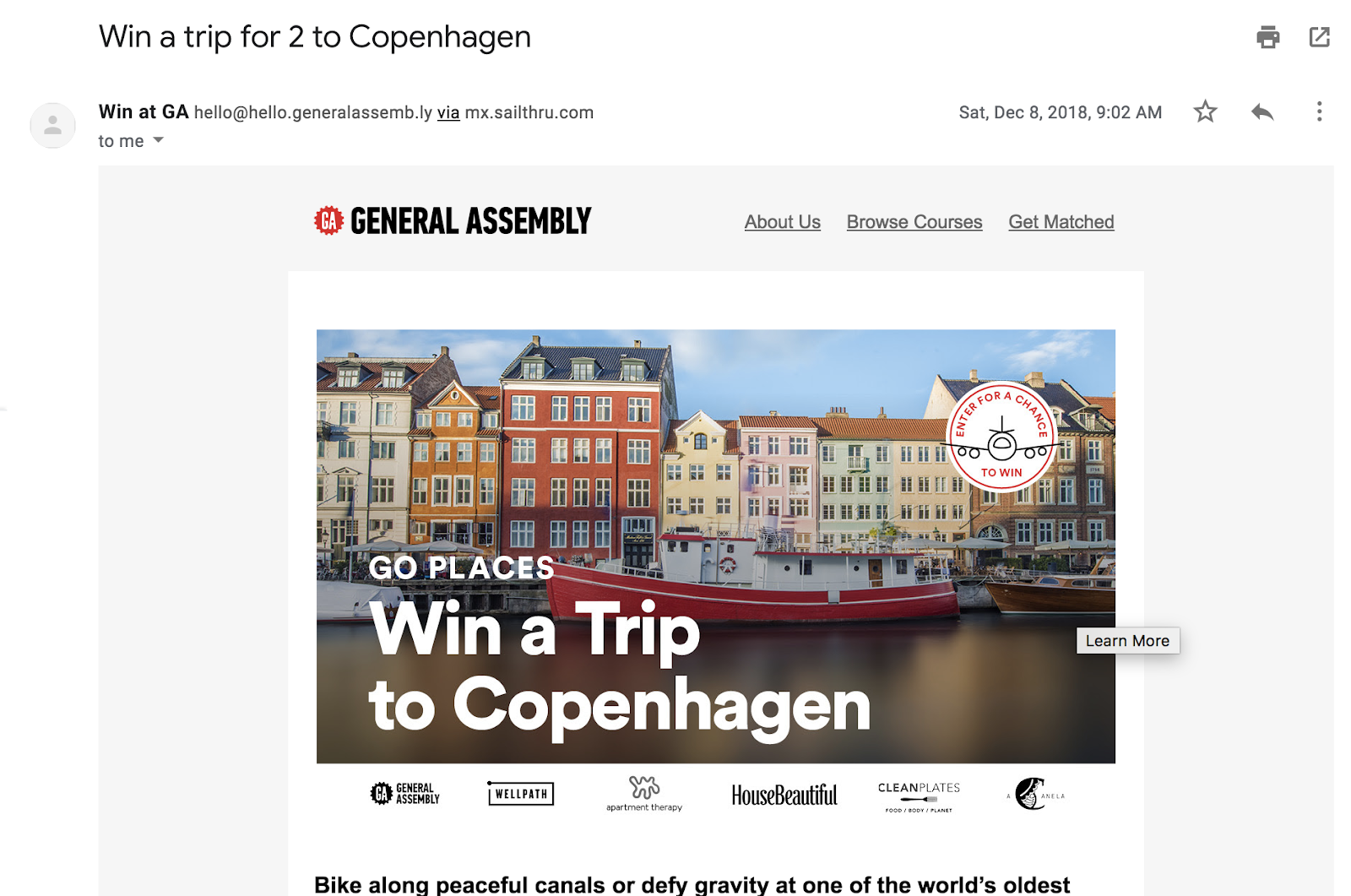


A good tool for this, if you want to try it, is KingSumo.

7. Content upgrades

Finally, we have content upgrades. This is really a popup form, but I wanted to add it separately, since it is a click-triggered and behaviorally contextual popup. Basically, when someone clicks a link that says “get the PDF of this” or “click here to get a checklist,” they can then opt-in with a very simple, dynamic form:
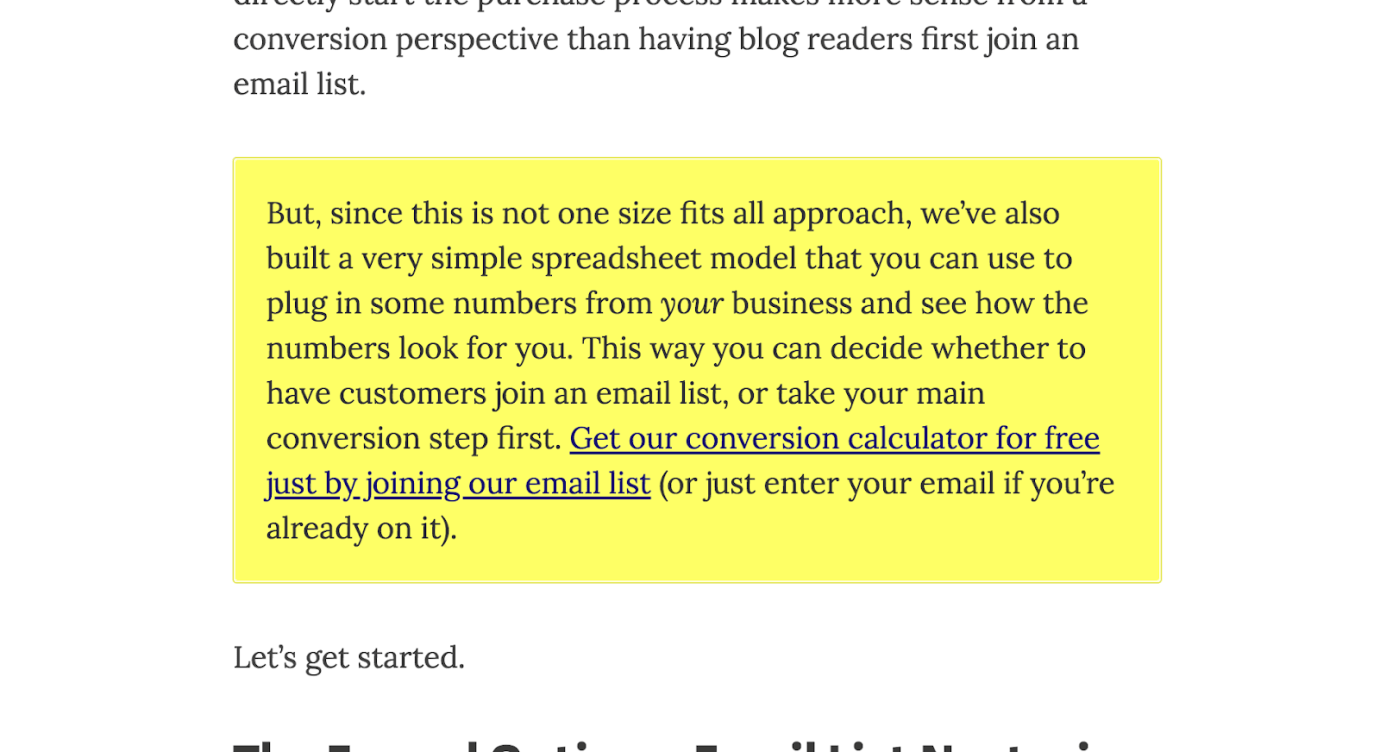
Image Source

When you click the link, this comes up:
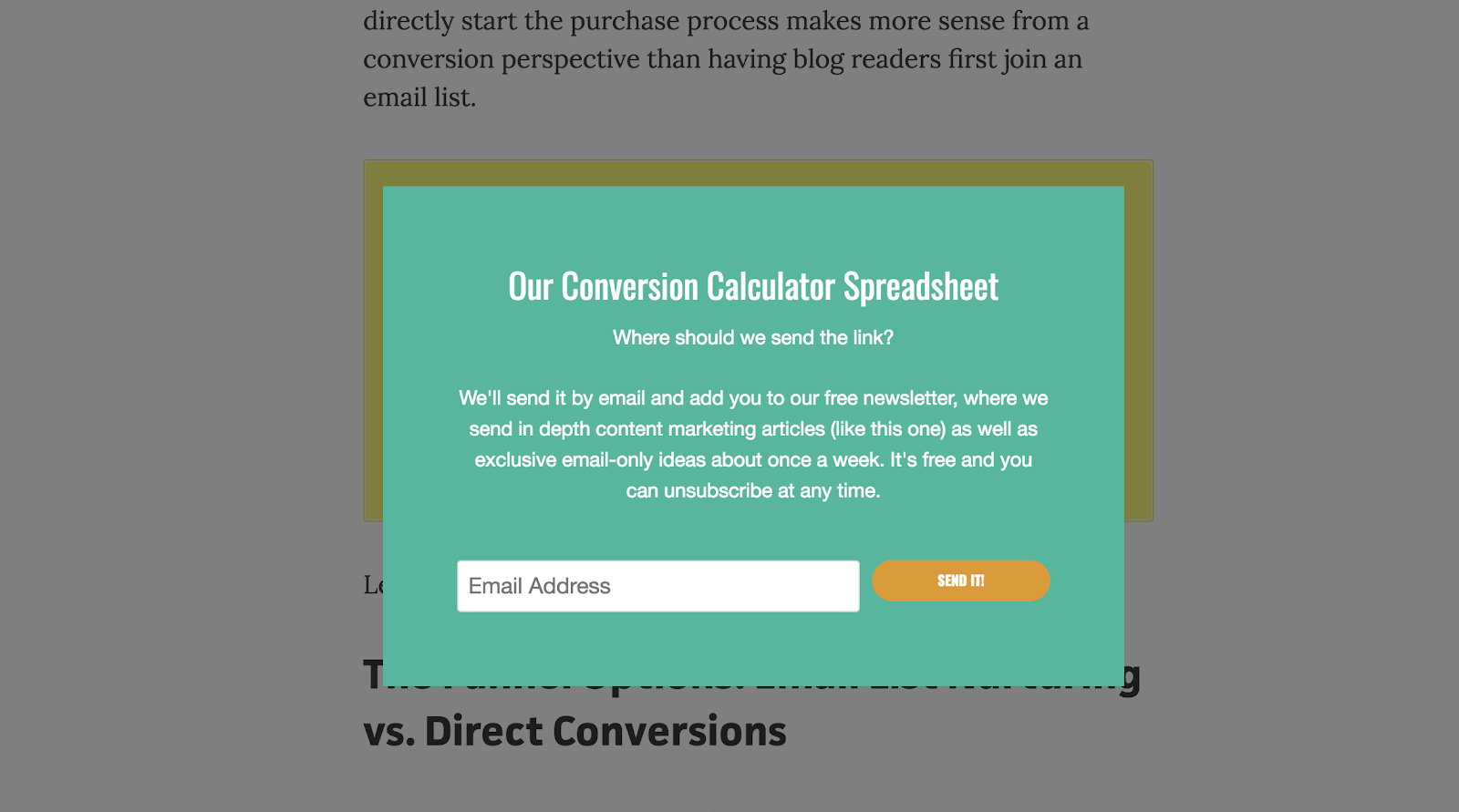
Image Source

In terms of user experience, and all the strategies we went over above, content upgrades are some of the best ways to collect email leads. They’re relevant to the blog post, not a hindrance on user experience, and are only triggered to those who click on the link. I love content upgrades as lead capture method.

There are many ways and strategies to capture email leads.

This article gives a general outline as well as some ideas to do so; it also gives you some tools (most of them free) to accomplish the job.

As with anything, success requires some experimentation and tinkering. Try some of the above out, learn from it, and iterate to improve. Small wins compound and lead to greatness.

And if you want an easy way to implement some of these lead capture methods, check out HubSpot’s free lead generation tools.


from Marketing https://blog.hubspot.com/marketing/email-capture

Chargespot Phone Charging Stations In London

Staying connected is as important today as ensuring you have your wallet with you. Without our smartphones, where would we be? Unable to send and receive texts, make calls, check emails, keep our eyes on our business and of course awkwardly avoid eye contact of total strangers on public transport. Having our smart devices charged and ready for action is imperative but what do you do when you’re out and about?

Thankfully, with the help of Chargespot UK, you can now charge your mobile phone at multiple places in and around London. From gyms to hospitals, their mobile phone charging stations are placed throughout the capital to ensure you’re always within reach of plugging in and topping up your charge.

Where To Find Them

To make charging your phone on the go as accessible as possible, they created a ‘Locations’ page online. Here you’ll find all locations, in and around London, where you can charge your phone with their phone charging stations. From St Ann’s Hospital to 1 Leadenhall Place, The Porchester Spa in Queensway to Moorfields Ealing Outreach Hospital and even multiple Boxpark locations including Croydon and Shoreditch. This is just a handful of the locations you’ll find their mobile phone charging lockers.

Why You Need One

Mobile phone charging stations are becoming more and more popular by the day. Why? Well, not only are they super convenient for people to charge their phones while they’re out and away from their usual charge source but they’re also a great way to pull in customers from the street who may not have otherwise paid your store, gym or leisure centre, a visit. What’s more, charging stations will not only entice people in, but keep them in there or in the case of a mobile phone locker, have them return at a later time.

That’s traffic into your shop and goods viewed that wouldn’t have happened if it weren’t for the presence of a phone charging locker. Chargespot UK have a number of different phone charging stations ranging in size and ability, all of which can be branded to suit you. You’ll find them listed on their ‘Products’ page.

Contact Chargespot UK Today

If you’d like more information on the phone charging stations available from Chargespot UK, from their Power Stand to their Power Locker, simply contact them today. They have a fantastic range of charging stations including their super compact and rather aptly named Power Compact Pro.

They’re suitable for long standing positions in shops and leisure centres as well as short cterm rentals for events and pop up shops. Call today on 07940 032344 and their team will be happy to help.

The post appeared first on TheMarketingblog.


from TheMarketingblog http://www.themarketingblog.co.uk/2019/03/121827/

The Ultimate Guide to Sales and Marketing

Peanut butter and jelly.

Puppies and the park.

Beach days and ice cream.

Some things just obviously go together -- but what if I put sales and marketing together in that list? Would you still think they worked better as a pair?

Align Your Sales and Marketing Goals With an Interactive Lead Goal Calculator

More than likely, you haven't quite considered your sales and marketing to be the "peanut butter and jelly" of your company. But, in 2019, alignment between those two teams is more critical than ever.

Simply put, alignment between marketing and sales is really about focusing on the customer -- and, in 2019, the customer's buying behavior has changed significantly.

Fortunately, the better you can align your sales and marketing teams, the more likely you are to delight a prospect. In fact, organizations with tightly aligned sales and marketing teams experience 36% higher customer retention rates.

Here, we're going to explore why sales and marketing matter to a company -- and, equally importantly, why they matter together.

To start, let's explore the advantages of both sales and marketing to your organization.

Sales is ultimately critical to your company's bottom line. You cannot have scalable growth without an impressive sales team. At its most basic, your sales team's goal is to first qualify prospects, reach out and build relationships with them, and ultimately, provide a solution that will benefit the prospect. When done well, a sales transaction results in a sale, a satisfied customer, and revenue for your company.

For sales teams to excel, your salespeople must be invested in the success of your customers. They must understand your prospects' pain points and obstacles, and demonstrate how your product or service is a solution -- the best solution -- to those problems.

Alternatively, marketing is all about igniting interest in potential consumers, and telling the world your company, and its products or services, exists. Marketing uses both emotion and analytics to reach an audience, and convert curious viewers into qualified leads.

Here's the thing, though -- in 2019, a buyer isn't following the traditional "marketing to sales to customer" funnel.

Instead, each individual prospect follows a unique path. One prospect might know they want to purchase your product before even speaking with a sales rep, because they've already been convinced by your Instagram account.

Alternatively, another prospect might speak with a sales rep first, and then require additional marketing in the form of webinars or blog posts, before closing the deal.

Your buyer has unlimited information at her fingertips -- she can check out your Facebook page, blog posts, website, and customer product reviews before even speaking with a sales rep.

When a prospect who has already read thirteen customer reviews gets in touch with your sales rep, she's going to require a different conversation than a prospect who's only heard of your company from a Facebook ad.

That is why your marketing and sales teams need to be in tight alignment in 2019 -- because your buyer needs to be communicated with, and sold to, wherever and whenever she wants. The traditional sales and marketing tactics no longer work. To find scalable growth, it's critical your marketing team communicate all the information they have about a prospect to your sales team before a salesperson even gets on the phone.

Sales and marketing alignment can help your company become 67% better at closing deals, and can help generate 209% more revenue from marketing.

Not aligning your sales and marketing teams isn't just unhelpful for the customer -- it's also damaging to your bottom line.

But it's easier said than done. Aligning sales and marketing, particularly when you have a growing company, can feel like an incredibly difficult process.

Fortunately, there are a few strategies you can implement to ensure a smoother relationship between the two teams, immediately.

1. Ask your marketing and sales team to create a buyer persona together.

Your marketers have a firm pulse on the consumer -- they've conducted extensive research, they've engaged with prospects via social media and email, and they've held focus groups.

But, more than likely, your marketers haven't spoken directly to these prospects. They might not fully understand your prospects biggest pain points, or the challenges they face that your product or service currently can't solve. These insights can only be obtained from your sales team.

Ultimately, to get a full picture of your consumer, it's critical that each team help craft the buyer persona. For instance, perhaps you have your marketing team create an initial buyer persona through research and brainstorming sessions -- but then you gather input from salespeople to modify and refine that persona.

Getting initial input from salespeople, as well as asking for final approval on a buyer persona, is critical to ensure each team is working together with the same consumer in mind.

2. Document content gaps along a buyer's journey.

Your sales and marketing teams should take the time to compile everything both teams have created to help solve for the customer -- including white papers, infographics, e-books, case studies, and email streams.

Then, employees from each team should have a candid discussion about what's missing. Maybe a sales rep notices your marketing team hasn't created any e-books on an issue most of her prospects' face. Alternatively, maybe your marketing team needs your sales team to provide input to craft a more useful customer case study.

Additionally, both teams should take the time to organize and understand what content works best for which stage of the buyer's journey. While likely a tedious process, this will help both teams become more effective in their strategies over the long-term.

3. Keep track of every interaction your customer has with your company.

Nowadays, this is one of the most critical strategies you need to implement. It eliminates friction for the customer, and it also helps your sales reps close more deals.

For instance, consider how you'd feel if you spoke with a sales rep for the first time, and he already knew where you worked, how long you'd been there, which email newsletters you'd subscribed to, and which company networking events you'd attended. You'd likely be more impressed than if you spoke to a sales rep who'd never heard of you before, right?

It's vital you find a way to keep track of each interaction your customer has with your company -- a free CRM is incredibly useful for this.

4. Be customer-centric with your language.

All too often, marketers and salespeople use different language and rely on different analytics to measure success. For instance, a marketer's measure of success might be based on blog traffic, Facebook likes, email subscriptions, or YouTube viewers.

Alternatively, a salesperson's ultimate measure of success is revenue.

However, there is one goal both teams share -- and that's to be customer-centric.

To align both teams, it's critical your salespeople and marketers consider, first and foremost, the customer. When a marketer emails a prospect, she should consider the person on the other end -- and whether they want to receive that email, and how that email could be helpful for them.

Additionally, when a salesperson picks up the phone, she needs to remember the conversation isn't about making a sale -- it's about solving a problem for a prospect.

With this in mind, your teams will have an easier time blurring the lines between their individual tasks and responsibilities, and recognizing their very unified desire to solve for the customer, even over their own processes.

lead goal calculator


from Marketing https://blog.hubspot.com/marketing/sales-and-marketing

Top 3 cryptocurrency marketing strategies that work

There is no doubt about the growing interest of Cryptocurrency around the world. But they can be quite difficult to understand especially for those who aren’t tech savvy. This is definitely one of the major challenges that blockchain startups have to face, the more popular are also confronted with this challenge.

The main challenge of Cryptocurrency startups is giving their products more visibility in a market that is constantly getting bigger and more saturated. It can be said that this challenge is on both ends – on one end is the competition, and the other is they consumers lack knowledge about the product. A person who is not equipped with the knowledge about Cryptocurrency will be less likely to trust the product, or even go as far as investing in it.

That is why consumer education is key, especially in the blockchain sector. Whatever effort that is invested in putting the product out there has to be more than visibility; you actually need to educate them about the key aspects of the products, how it works, and why they should choose your product over the competition.

Here are 3 top strategies that you can deploy as part of your marketing activities to gain traction for your cryptocurrency.

Social Media

Social media is where all the conversations happen. It is where people come to contribute information and experiences, it is also where they come to look for what’s trending.

Today, every brand that is serious about growing must have social media as one of its tools for achieving that. There is no question about the power of social media, many brands have leveraged on the convergence of people to market their products. You can engage Twitter users about your cryptocurrency product. You can spark up a conversation surrounding your product while educating about cryptocurrency while offering your product as a viable option.

There are several marketing options that you can also leverage, from sponsored Instagram ads to sponsored tweets. You can tweak these options to suit match your goals.

Airdrop

This is a popular marketing strategy that is popular for blockchain. Free tokens are airdropped to customers who have invested in your cryptocurrency. Giving away free stuff always helps, it goes a long way in building investor loyalty and commitment. This could souvenirs with your company branding – stickers, keychains, and even USB drives.

Web Design

Treat your website like a storefront– the best storefronts are attractive to customers and they want to experience what’s inside the store. This is probably the most important thing that you need to get right before launching your crypto coin.

The website must contain everything that your potential investors need to get started including educational texts, why they should invest in your crypto, and other relevant information.

You can also use the opportunity to educate your potential investors about the value chain of the crypto market – they can learn about services like Satoshipoint  which provides an extra opportunity for new entrants to generate income from crypto in addition to making crypto transactions more accessible.

It is a good opportunity to make a memorable first impression– customers can develop trust for your product by interacting with your website.

The web design has to clean and not packed with unnecessary information, and more importantly, it must be mobile responsive and easy to navigate.

The post Top 3 cryptocurrency marketing strategies that work appeared first on TheMarketingblog.


from TheMarketingblog http://www.themarketingblog.co.uk/2019/03/top-3-cryptocurrency-marketing-strategies-that-work/

How to Design an SEO Quiz for Your Prospective SEO Manager

Wednesday, 27 March 2019

MozCon 2019: The Initial Agenda

Posted by cheryldraper


We’ve got three months and some change before MozCon 2019 splashes onto the scene (can you believe it?!) Today, we’re excited to give you a sneak preview of the first batch of 19 incredible speakers to take the stage this year.

With a healthy mix of fresh faces joining us for the first time and fan favorites making a return appearance, our speaker lineup this year is bound to make waves. While a few details are still being pulled together, topics range from technical SEO, content marketing, and local search to link building, machine learning, and way more — all with an emphasis on practitioners sharing tactical advice and real-world stories of how they’ve moved the needle (and how you can, too.)

Still need to snag your ticket for this sea of actionable talks? We've got you covered:

Register for MozCon

The Speakers

Take a gander at who you'll see on stage this year, along with some of the topics we've already worked out:

Sarah Bird

CEO — Moz

Welcome to MozCon 2019 + the State of the Industry

Our vivacious CEO will be kicking things off early on the first day of MozCon with a warm welcome, laying out all the pertinent details of the conference, and getting us in the right mindset for three days of learning with a dive into the State of the Industry.


Casie Gillette

Senior Director, Digital Marketing — KoMarketing

Making Memories: Creating Content People Remember

We know that only 20% of people remember what they read, but 80% remember what they saw. How do you create something people actually remember? You have to think beyond words and consider factors like images, colors, movement, location, and more. In this talk, Casie will dissect what brands are currently doing to capture attention and how everyone, regardless of budget or resources, can create the kind of content their audience will actually remember.


Ruth Burr Reedy

Director of Strategy — UpBuild

Human > Machine > Human: Understanding Human-Readable Quality Signals and Their Machine-Readable Equivalents

The push and pull of making decisions for searchers versus search engines is an ever-present SEO conundrum. How do you tackle industry changes through the lens of whether something is good for humans or for machines? Ruth will take us through human-readable quality signals and their machine-readable equivalents and how to make SEO decisions accordingly, as well as how to communicate change to clients and bosses.


Wil Reynolds

Founder & Director of Digital Strategy — Seer Interactive

Topic: TBD

A perennial favorite on the MozCon stage, we’re excited to share more details about Wil’s 2019 talk as soon as we can!


Dana DiTomaso

President & Partner — Kick Point

Improved Reporting & Analytics within Google Tools

Covering the intersections between some of our favorite free tools — Google Data Studio, Google Analytics, and Google Tag Manager— Dana will be deep-diving into how to improve your reporting and analytics, even providing downloadable Data Studio templates along the way.


Paul Shapiro

Senior Partner, Head of SEO — Catalyst, a GroupM and WPP Agency

Redefining Technical SEO

It’s time to throw the traditional definition of technical SEO out the window. Why? Because technical SEO is much, much bigger than just crawling, indexing, and rendering. Technical SEO is applicable to all areas of SEO, including content development and other creative functions. In this session, you’ll learn how to integrate technical SEO into all aspects of your SEO program.


Shannon McGuirk

Head of PR & Content — Aira Digital

How to Supercharge Link Building with a Digital PR Newsroom

Everyone who’s ever tried their hand at link building knows how much effort it demands. If only there was a way to keep a steady stream of quality links coming in the door for clients, right? In this talk, Shannon will share how to set up a "digital PR newsroom" in-house or agency-side that supports and grows your link building efforts. Get your note-taking hand ready, because she’s going to outline her process and provide a replicable tutorial for how to make it happen.


Russ Jones

Marketing Scientist — Moz

Topic: TBD

Russ is planning to wow us with a talk he’s been waiting years to give — we’re still hashing out the details and can’t wait to share what you can expect!


Dr. Pete Meyers

Marketing Scientist — Moz

How Many Words is a Question Worth?

Traditional keyword research is poorly suited to Google's quest for answers. One question might represent thousands of keyword variants, so how do we find the best questions, craft content around them, and evaluate success? Dr. Pete dives into three case studies to answer these questions.


Cindy Krum

CEO — MobileMoxie

Fraggles, Mobile-First Indexing, & the SERP of the Future

Before you ask: no, this isn’t Fraggle Rock, MozCon edition! Cindy will cover the myriad ways mobile-first indexing is changing the SERPs, including progressive web apps, entity-first indexing, and how "fraggles" are indexed in the Knowledge Graph and what it all means for the future of mobile SERPs.


Ross Simmonds

Digital Strategist — Foundation Marketing

Keyword's Aren't Enough: How to Uncover Content Ideas Worth Chasing

Many marketers focus solely on keyword research when crafting their content, but it just isn't enough these days if you want to gain a competitive edge. Ross will share a framework for uncovering content ideas leveraged from forums, communities, niche sites, good old-fashioned SERP analysis, and more, tools and techniques to help along the way, and exclusive research surrounding the data that backs this up.


Britney Muller

Senior SEO Scientist — Moz

Topic: TBD

Last year, Britney rocked our socks off with her presentation on machine learning and SEO. We’re still ironing out the specifics of her 2019 talk, but suffice to say it might be smart to double-up on socks.


Mary Bowling

Co-Founder — Ignitor Digital

Brand Is King: How to Rule in the New Era of Local Search

Get ready for a healthy dose of all things local with this talk! Mary will deep-dive into how the Google Local algorithm has matured in 2019 and how marketers need to mature with it; how the major elements of the algo (relevance, prominence, and proximity) influence local rankings and how they affect each other; how local results are query dependent; how to feed business info into the Knowledge Graph; and how brand is now "king" in Local Search.


Darren Shaw

Founder — Whitespark

From Zero to Local Ranking Hero

From zero web presence to ranking hyper-locally, Darren will take us along on the 8-month-long journey of a business growing its digital footprint and analyzing what worked (and didn’t) along the way. How well will they rank from a GMB listing alone? What about when citations were added, and later indexed? Did having a keyword in the business name help or harm, and what changes when they earn a few good links? Buckle up for this wild ride as we discover exactly what impact different strategies have on local rankings.


Andy Crestodina

Co-Founder / Chief Marketing Officer — Orbit Media

What’s the Most Effective Content Strategy?

There’s so much advice out there on how to craft a content strategy that it can feel scattered and overwhelming. In his talk, Andy will cover exactly which tactics are the most effective and pull together a cohesive story on just what details make for an effective and truly great content strategy.


Luke Carthy

Digital Lead — Excel Networking

Killer CRO and UX Wins Using an SEO Crawler

CRO, UX, and an SEO crawler? You read that right! Luke will share actionable tips on how to identify revenue wins and impactful low-hanging fruit to increase conversions and improve UX with the help of a site crawler typically used for SEO, as well as a generous helping of data points from case studies and real-world examples.


Joy Hawkins

Owner — Sterling Sky Inc.

Factors that Affect the Local Algorithm that Don't Impact Organic

Google’s local algorithm is a horse of a different color when compared with the organic algo most SEOs are familiar with. Joy will share results from a SterlingSky study on how proximity varies greatly when comparing local and organic results, how reviews impact ranking (complete with data points from testing), how spam is running wild (and how it negatively impacts real businesses), and more.


Heather Physioc

Group Director of Discoverability — VMLY&R

Mastering Branded Search

Doing branded search right is complicated. “Branded search” isn't just when people search for your client’s brand name — instead, think brand, category, people, conversation around the brand, PR narrative, brand entities/assets, and so on. Heather will bring the unique twists and perspectives that come from her enterprise and agency experience working on some of the biggest brands in the world, providing different avenues to go down when it comes to keyword research and optimization.

See you at MozCon?

We hope you’re as jazzed as we are for July 15th–17th to hurry up and get here. And again, if you haven’t grabbed your ticket yet, we’ve got your back:

Grab your MozCon ticket now!

Has speaking at MozCon been on your SEO conference bucket list? If so, stay tuned — we’ll be starting our community speaker pitch process soon, so keep an eye on the blog in the coming weeks!


Sign up for The Moz Top 10, a semimonthly mailer updating you on the top ten hottest pieces of SEO news, tips, and rad links uncovered by the Moz team. Think of it as your exclusive digest of stuff you don't have time to hunt down but want to read!


from The Moz Blog http://tracking.feedpress.it/link/9375/11193234

5 Essential SEO Tips That Have Helped HubSpot Become an Organic Powerhouse

In 2017, we experienced something that has never happened to us before -- our blog’s monthly traffic flattened. Even worse, it started to decline. So after months of stressing over the mysterious cause of our blog’s traffic plateau, we decided to sit down, chug a bunch of coffee, and find the culprit.

What we discovered is that our strategy of brainstorming topics and relying on our intuition to determine our audience’s content preferences wouldn’t suffice anymore. And coupled with almost every social media platforms’ disdain for sending users outside of their website and the ever-growing mountain of emails piling up in people’s inboxes, we knew we needed to overhaul our editorial strategy. So we decided to focus our energies on the channel that has consistently generated the majority of our blog’s traffic for its entire existence -- organic search.

Today, almost a year after we implemented our organic-only strategy, we’ve exceeded the majority of our monthly traffic goals and even broke some monthly traffic records. Needless to say, we’re thrilled (and relieved) that our new organic-only strategy refueled our growth in traffic again and shattered the great traffic plateau of 2017. And we’d love to share the essential SEO tips that helped us devise our strategy.

1. Optimize your content for people before search engines.

Even though an algorithm dictates the order of Google’s search engine results pages, you must remember that Google designed its algorithm to reward the web publishers that craft the best content on the internet, not the web publishers that are the best at gaming their algorithm.

In fact, part of Google’s search algorithm ranks your content based off engagement metrics, like total traffic, organic traffic, direct traffic through Chrome, time on site, bounce rate, SERP CTR, brand mentions on authoritative sites, and return visits.

So, to boost your website’s engagement and domain authority and, in turn, generate even better results in the long-term, there's really only one way to do it -- you must attract and engage a loyal audience by creating high-quality content. Only then should you start optimizing it for search engines.

The first step we usually take when optimizing our content for people is understanding the intent behind a keyword we want to target. To do this, we analyze the keyword’s search engine results page and determine the problems users are trying to solve when searching for this query.

After that, we figure out how to effectively solve these problems by mining information from trusted sources, examining our own research, and asking HubSpot employees who experience similar problems how they solve them.

The final and most important step of our content creation process is crafting the most engaging content possible. To do this, we tell stories and relate to our audience’s problems in our introductions, write clear, concise, and compelling copy, highlight interesting findings, data, and quotes in our body text, and include vivid images and videos to provide a variety of stimuli. At the end of each blog post, we keep the momentum going and remind our audience of the thoughts and emotions they just experienced, which leaves them yearning for more content.

2. Leverage the pillar-cluster model. 

Since people heavily rely on search engines to provide accurate and relevant answers for most of their questions today, search engines need to understand the intent and context behind every single search. To do this, search engines have evolved to recognize topical connections across users’ queries, look back at similar queries that users have searched for in the past, and surface the content that best answers them. As a result, search engines will deliver content that they deem the most authoritative on the topic.

To help search engines recognize our content as a trusted authority on certain topics, we decided to implement the pillar-cluster model on our blog. By creating a single pillar page that provides a high-level overview of a topic and hyperlinks to cluster pages that delve into the topic’s subtopics, we could signal to Google that our pillar page is an authority on the topic.

Since hyperlinking all of the cluster pages to the pillar page shares domain authority across the cluster, our cluster pages will also get an organic boost if our pillar page ranks higher, and they can even help our pillar page rank higher if they start ranking for the specific keyword they’re targeting.

Another benefit the pillar-cluster model supplies is cleaning up our site infrastructure and providing a better user experience for our website visitors. Before we implemented the pillar-cluster model, we spent most of our time writing blog posts designed to rank for specific, long-tail keywords. This resulted in thousands of blog posts that weren’t organized, and some were so similar that they competed with each other on the same search engine results pages. Here’s a visualization of what our site architecture used to look like:

Old structure.png

But by organizing our blog into topic clusters, our site architecture currently looks like this:

New structure.png

Not only is it easier for Google to crawl our blog, identify semantic relationships between our content, and boost our search engine visibility now, but it’s also easier for our audience to search for the content topics they’re looking for, find related content, and spend more time on our blog.

To learn how to implement the pillar-cluster model on your blog, take a look at the steps we took to do it.

3. Develop a link-building strategy

Earning high-quality inbound links from websites and pages with high authority scores is crucial for boosting your domain authority. But, unfortunately, "If you write it, they will link to it,” is not a viable SEO tactic.

The main way we earn high-quality links is by networking with other websites that have a higher domain or page authority score to link to our top content. We also make sure our content is relevant to the referring website’s content.

Another way you can earn quality backlinks is by using Backlinko’s skyscraper method. The skyscraper method is an SEO strategy where you find content that ranks well for keywords you want to rank for and then create content that’s better than the top ranking posts. Then, you use SEO tools to find all the sites that have linked to your competitor’s content and ask the most relevant sites to replace your competitor’s link with a link to your improved content.

In 2016, Backlinko asked 160 websites to link to their post about Google’s 200 Ranking Factors and they earned 17 inbound links. You might be thinking that 17 backlinks doesn’t seem like much, but a lot of those referring websites had high domain authority scores, so the post’s organic traffic increased by 110% in only two weeks.

4. Implement a historical optimization strategy

In 2015, Pam Vaughn, the current Principal Marketing Manager of HubSpot’s Web Strategy Team and former Editor of HubSpot’s Marketing Blog, made a revolutionary discovery about HubSpot’s organic monthly blog traffic -- the overwhelming majority of it came from posts published prior to that month. In fact, 76% of our monthly blog views came from these old posts.

Today, Pam’s groundbreaking revelation rings louder than ever -- 89% of our monthly blog views currently come from posts that were published at least six months prior, and we’ve developed an entire strategy dedicated to refreshing and republishing these historical pieces of content.

We call these types of blog posts “updates”, and they comprise 35-40% of our editorial calendar. And by refreshing them with new information and SEO optimization and then republishing them, we can build upon their existing organic value that they’ve built by collecting backlinks and earning domain authority and double or even triple their traffic. This process also helps us optimize our blog for efficiency, decreasing the amount of new content we have to create while increasing our organic traffic and conversions.

Historical optimization isn’t for everyone, though. It’s a strategy catered for a blog that generates a significant amount of organic traffic, has a considerable amount of blog subscribers and social media followers who can supply a surge of traffic, shares, and backlinks to your updates, and owns a substantial repository of old posts that are worth refreshing and republishing.

However, if you have all three of these things, we definitely recommend implementing a historical optimization strategy. To learn about the types of historical content you should update and the exact process of updating them, check out this blog post written by one of historical optimization's pioneers -- Pam Vaughn.

5. Compress your images

When you think about optimizing your content for search engines, compressing your images’ file size doesn’t seem like it should be a top priority. But, according to Braden Becker, HubSpot’s Historical Optimization Lead, your images’ file size directly affects your website’s page load speed, which is one of the ten most important Google ranking factors.

“The bigger an image’s file size, the longer it takes your web browser to load that image, which increases your website’s loading time as a whole. And the longer your website’s loading time, the more likely Google will penalize you,” he says.

Compression blends similarly colored pixels into single pixels to reduce the image’s resolution, and in turn, file size. But since the human eye is more sensitive to light and dark detail than color detail, we’re not able to detect the color differences between an uncompressed and compressed image, so the perceived quality stays the same, just like the pictures below.

Uncompressed Image (236 KB)

Compressed Image (48 KB)

As you can see, the uncompressed image’s file size is almost four times bigger than the compressed image. Yet, the compressed image still has the same perceived quality as the uncompressed image, and it’ll load much faster.

To diminish our images’ file size as much as possible, boost your website's page speed, and avoid risking a penalty from Google, we use Squoosh to compress individual images and TinyPNG to compress batches of images.

SEO is always adapting, and you should too.

Even though we uncovered five tactics that helped us devise an SEO strategy that shattered a year-long traffic plateau and broke monthly traffic records, it’s entirely possible that they could become obsolete one day.

The moral of our story isn't to glom onto these SEO tactics for the rest of your content marketing career. It's to keep adapting and never settle for the status-quo, no matter how well you’re performing. Because one day your once thriving work might stagnate and even diminish. And the only way to recover is to take a leap of faith and overhaul your entire strategy.


from Marketing https://blog.hubspot.com/marketing/seo-tips